
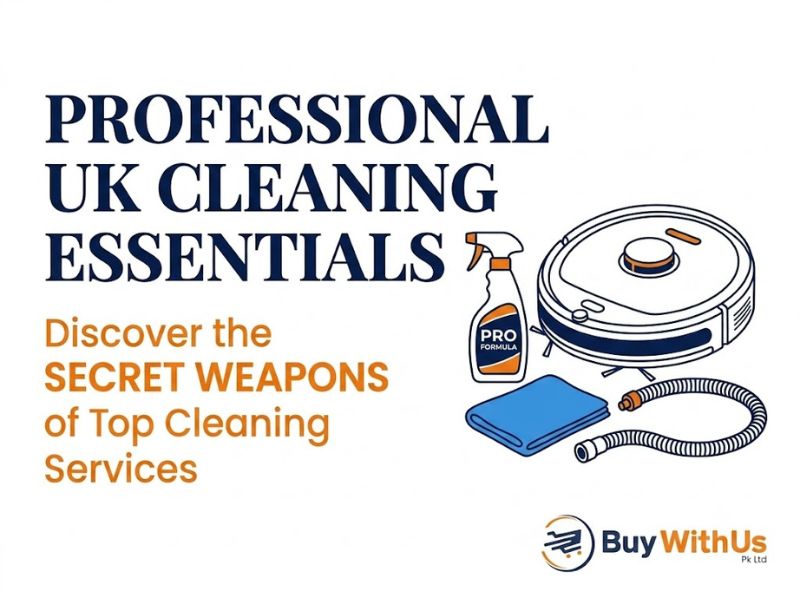
The visual footprint of a clean environment dictates prestige, operational safety, and physical comfort. In the British commercial cleaning sector, achieving this standard requires more than generic supermarket sprays or standard cotton cloths. Professional agency technicians rely on rigorous standards, specific industrial chemistry, and ergonomic physical tools designed to maximize soil collection while eliminating surface friction.
Understanding the precise materials deployed by corporate environmental specialists reveals that true sanitation relies on engineering, strict regulatory parameters, and structured systemic habits.
The Chemistry of Professional Surface Sanitisation
Industrial surface sanitation relies on chemical degradation rather than physical scraping. UK contractors select commercial-grade chemicals based on structural compatibility and chemical concentration levels. Unlike domestic consumer goods, professional formulas are purchased as high-saturation concentrates. These are precisely diluted through integrated mixing valves to prevent chemical residue build-up on delicate natural stone or composite surfaces.
Targeted Chemical Disinfection
A fundamental component of the corporate janitorial toolkit is an all-purpose surfactant capable of emulsifying lipids and suspended dust particles across varied contact planes. For high-footfall public environments, facilities management protocols mandate the use of hospital-grade biocides. These solutions must carry verified European Standards certifications, specifically BS EN 1276 or EN 13697. These labels prove the solution can achieve a 99.999% bacterial reduction within a five-minute contact window.
Limescale Eradication in Hard Water Districts
In Southern and Eastern English regions, managing dense calcium carbonate deposits requires targeted chemical applications. Technicians avoid raw abrasives, using acidic washroom descalers containing sulfamic or phosphoric acid instead. These compounds chemically break down bonded alkaline minerals without pitting underlying chrome fixtures or eroding vitreous china glazes.
Advanced Hardware and Ergonomic Cleaning Equipment
While targeted chemistry breaks down surface contaminants, removing that debris requires specialized structural hardware. Professional workflows prioritize mechanical agitation tools that lift debris away from surfaces over manual scrubbing methods that simply move dirt around.
Microfibre Split-Fibre Material Science
Standard cotton threads feature rounded profiles that glide over microscopic particles. Professional cleaning agencies exclusively use split-weave microfibre systems. These synthetic matrix materials feature angular, star-shaped cross-sections that create structural capillary action. This design draws fine particulates, dust, and organic pathogens directly into the cloth matrix.
When applied to heavy soil deposits in wet zones, matching these textiles with an automated Electric Spin Scrubber creates an optimal balance of structural pressure and rotation speed. This mechanical approach removes stuck-on mineral layers without requiring aggressive, surface-damaging physical force.
HEPA-Filtration Vacuum Architectures
Indoor air quality directly impacts workplace health. Professional UK floor care focuses on high-capacity commercial canister vacuums equipped with multi-stage HEPA (High-Efficiency Particulate Air) filtration units. These sealed systems prevent fine particulate matter from venting back into the room.
The physical configuration relies on specialized accessories:
- Wide-path articulated floor tools for open commercial carpets.
- Pivoting floor brushes for safety vinyl profiles.
- Brushed upholstery nozzles designed to extract fine dust from textile office chairs.
Subsurface Drainage and Plumbing Maintenance Protocols
The structural health of a commercial property extends beneath visible surfaces. Blocked drainage systems lead to standing greywater accumulation, organic decomposition, and slip hazards in communal washing areas. Professional maintenance teams treat internal plumbing lines with non-corrosive preventative methods rather than relying on aggressive caustic unblockers.
Bio-Enzymatic Organic Degradation
To safely dissolve grease, starch, and fatty deposits inside wastewater pipes, professionals use concentrated enzymatic cultures. These live bacterial treatments break down organic blockages into water-soluble by-products without damaging PVC joints or causing copper pipe corrosion.
Mechanical Extraction Instruments
When solid physical blockages occur such as hair or fibrous material caught in high-use shower trays technicians avoid chemical pooling. Instead, they use a flexible, interlocking manual tool to physically remove hair from shower drain lines. This immediate physical removal clears the pipe diameter instantly, preventing standing water backups and protecting the plumbing architecture from chemical wear.
Sourcing the Best Home Cleaning Products
Bringing professional-grade efficiency into residential spaces requires selecting high-quality maintenance tools. Upgrading your utility storage with the best home cleaning products streamlines your cleaning routines, using advanced materials to cut down on manual scrubbing time.
When sourcing everyday household gear from reliable suppliers like Buy With Us, look for items that match professional design principles:
- High-torque motor designs that handle heavy physical pressure without slowing down.
- Interchangeable structural accessories tailored for specific tasks, from wide floor tools to narrow grout brushes.
- Ergonomic handles that maximize physical leverage while minimizing strain on hands and wrists during deep-clean routines.
By matching professional-grade equipment with structured cleaning habits, you can replicate commercial-level cleaning results across any residential floor plan.
Frequently Asked Questions
What does the BS EN 1276 standard indicate on a product label?
This certification confirms the liquid chemical achieves a 99.999% reduction of specific target bacterial strains within a five-minute window under controlled temperature parameters.
Why do professional cleaning services avoid using domestic cotton mops?
Cotton loops absorb water but tend to smear grease and fine dust across floor surfaces rather than lifting and locking them within the textile fibers.
What is the mechanical benefit of using an electric spin scrubber on grout lines?
The rapid, motorized head rotation breaks down stuck-on grime and hard water stains quickly, delivering consistent scrubbing pressure that is difficult to sustain manually.
How do professional cleaning teams prevent cross-contamination across different work zones?
Teams use a strict four-colour coding system (Red, Yellow, Blue, Green) to ensure separate cloths and tools are used for sanitary plumbing, general areas, and food preparation spaces.
What is the safest method to clear recurring obstructions from bathroom shower traps?
Technicians use manual mechanical extraction tools to pull hair and lint out of the pipe, avoiding caustic chemicals that can erode sub-floor plumbing joints.
Why are concentrated cleaning formulas preferred over ready-to-use spray bottles?
Concentrated solutions reduce single-use plastic waste, offer precise mixing options for different jobs, and lower shipping weights and storage space needs.
How does a HEPA filter improve commercial indoor environmental safety?
It traps at least 99.97% of microscopic particulates, fine dust, and airborne allergens down to 0.3 microns, preventing them from blowing back out into the room.
What chemical compound is most effective for removing severe limescale build-up?
Targeted organic acids, like sulfamic or phosphoric acid, dissolve hard water minerals efficiently without damaging surrounding chrome or porcelain fixtures.
How often should commercial drainage lines be treated for grease mitigation?
High-use commercial kitchens require weekly bio-enzymatic treatments, while standard domestic lines benefit from monthly preventative maintenance.
What are the main benefits of using split-fibre microfibre cloths?
The unique star-shaped micro-grooves physically lift and trap fine dust particles and bacteria, requiring far less chemical solution than traditional fabrics.


Add comment