Selecting the Right Safety Helmet for Industrial and Construction Sites
On any high-risk work site, head injuries represent some of the most severe hazards faced by personnel. For site managers, procurement officers, and independent contractors across the UK, ensuring that every worker is equipped with a certified safety helmet is both a legal obligation under HSE regulations and a moral necessity. The challenge isn’t simply handing out generic head protection; it is selecting gear that solves real-world pain points like neck fatigue from heavy designs, poor ventilation during summer shifts, and compatibility issues with other personal protective equipment.
A high-quality safety construction helmet must provide a reliable shield against falling debris, fixed obstacles, and electrical hazards without compromising worker comfort. When personal protective equipment is uncomfortable, compliance rates drop as workers constantly adjust or remove their gear. Choosing dependable head protection from a trusted supplier ensures that your team stays fully protected, comfortable, and focused on the task at hand throughout the entire working day.
Addressing the Core Challenges of Construction Site Safety
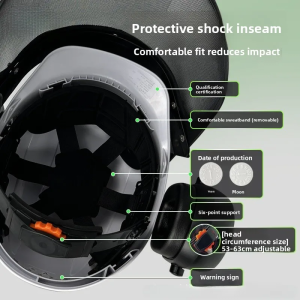
Industrial environments present dynamic, ever-changing hazards where objects can fall from heights or swinging loads can cause sudden lateral impacts. Standard low-cost head covers often lack the internal suspension systems required to absorb and disperse these forces effectively. Relying on an uncertified construction site safety helmet exposes workers to severe concussions and skull fractures. Modern head protection solves this energy absorption issue through progressive multi-point harness systems that suspend the outer shell away from the wearer’s skull.
Furthermore, long shifts in unpredictable UK weather demand gear that adapts to environmental conditions. Trapped heat inside a solid plastic shell causes sweating, dizziness, and cognitive fatigue, which directly increases the likelihood of workplace accidents. To counter this, modern construction safety helmets are engineered with adjustable ventilation slots and moisture-wicking sweatbands, keeping the head cool during intense physical labour while maintaining robust structural integrity against impacts.
The Value of Integrated Safety Helmets Industrial Configurations
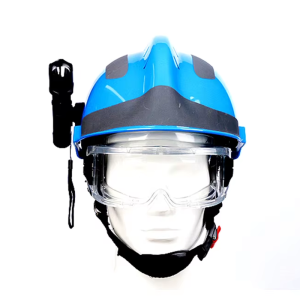
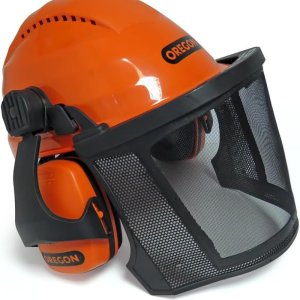
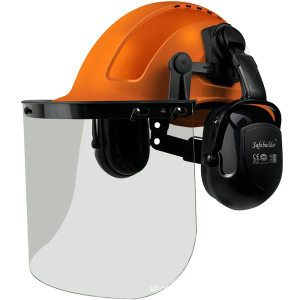
A major frustration for trade professionals is the physical incompatibility of using multiple forms of protection simultaneously. Trying to force a pair of standard ear defenders under a non-standard hat shell typically breaks the acoustic seal, exposing the worker to harmful noise levels. Equipping your workforce with certified safety helmets industrial standards require solves this problem by featuring universal accessory slots. These integrated channels allow for the seamless mounting of ear defense, face shields, and headlamps without altering the helmet’s fit.
| Protection Feature |
Industrial Problem Solved |
Key Operational Benefit |
| Multi-Point Suspension |
Distributes impact forces away from the neck and spine. |
Reduces severity of impact injuries from falling debris. |
| Integrated Eye Slots |
Eliminates safety goggle slippage and fogging issues. |
Maintains clear line of sight in dust-heavy work zones. |
| Ear Defender Mounts |
Prevents hearing protection from shifting during movement. |
Guarantees consistent noise reduction in high-decibel areas. |
Investing in comprehensive protective gear is a foundational element of professional risk management. When sourcing equipment to safeguard your workforce from unpredictable worksite hazards, exploring premium safety products allows you to build a cohesive safety system where all components work together seamlessly. This systematic approach to head protection ensures your site remains fully compliant with evolving British safety standards while actively lowering your overall injury insurance risks.
Long-Term Maintenance and Structural Integrity of Protective Gear
Even the toughest head protection degrades over time due to UV exposure, chemical contact, and daily wear on site. A common mistake is using a hard hat long after its internal components have weakened, rendering it useless during an actual accident. Regular inspections are vital; any deep scratches, chalky appearance of the plastic, or fraying straps indicate that the shell can no longer distribute impact forces correctly and must be replaced immediately.
Prioritising premium gear from Buy With Us guarantees that your safety equipment is built from high-density, UV-stabilised polymers designed to endure harsh site conditions. By providing your team with top-tier, reliable head protection, you foster a proactive workplace safety culture where workers feel valued and securely shielded against the daily physical demands of industrial environments.
Frequently Asked Questions
How long can a construction safety helmet be used before it needs replacing?
Most industrial safety helmets have a lifespan of up to five years from the date of manufacture, or three years from the first day of use on site. However, if the shell suffers a significant impact, shows deep cracks, or exhibits a chalky texture due to UV degradation, it must be replaced immediately.
What is the difference between a Type 1 and Type 2 safety construction helmet?
Type 1 helmets are explicitly engineered to mitigate vertical impact forces originating directly from above, such as a dropped tool. Type 2 models include advanced internal lining systems designed to absorb both vertical and lateral, off-centre impacts from the sides or back.
Can workers customize their construction site safety helmet with company stickers?
Applying adhesive stickers should generally be avoided unless approved directly by the manufacturer. The glues in standard stickers contain chemical solvents that can silently degrade the plastic shell over time, weakening its overall impact resistance without showing visible damage.
Why is a safety helmet with ear protection better than separate ear defenders?
An integrated helmet system ensures that the ear defenders attach directly into dedicated side slots. This prevents the headband of separate hearing protection from breaking the secure fit of the helmet, guaranteeing continuous noise reduction and skull coverage.
What do the different colours of safety helmets industrial workers wear signify?
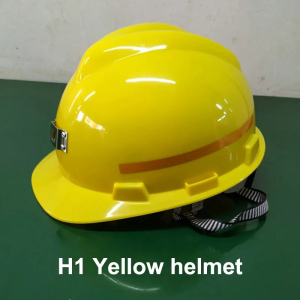
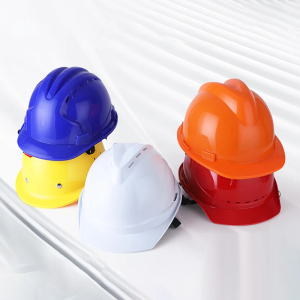
In the UK, helmet colours identify site roles to streamline communication. White is typically worn by managers, engineers, and supervisors; blue is assigned to skilled traders like electricians; yellow is for general labourers; and orange is worn by trained traffic marshals.
How should head protection gear be cleaned and maintained on site?
Helmets should be cleaned using warm, soapy water and a soft cloth. Never use harsh chemical solvents or abrasive pads, as they strip the protective coatings. Store them away from direct sunlight, car boots, or chemical storage zones to prevent premature ageing.
What should I look for in a safety helmet with eye protection?
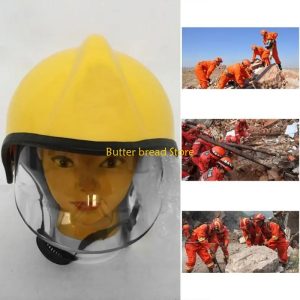
Look for integrated visors that retract cleanly up into the helmet shell when not in use. This prevents the eyewear from scratching, eliminates fogging issues common with tight goggles, and ensures the lens matches European optical clarity standards.
Are all industrial hard hats suitable for electrical work?
No, not all helmets protect against electrical currents. If your team works near high-voltage lines, you must select unvented models explicitly certified under electrical insulation standards, which prevent electrical arcs from passing through the shell to the worker.
How does the internal suspension system protect a worker from head injuries?
The suspension harness acts as a shock absorber by maintaining a crucial clearance gap between the outer shell and the skull. When an object hits the helmet, the straps stretch to absorb and distribute the kinetic energy, protecting the spine and neck.
What are the legal requirements for safety products and head protection in the UK?
Under the Personal Protective Equipment Regulations, UK employers must provide certified head protection to all workers on construction sites free of charge. The gear must display valid UKCA or CE markings, proving it has passed rigorous industrial impact testing.