Protecting Your Hands with the Right Safety Gloves for Every Industry
Hand injuries remain one of the most common workplace hazards across the UK, affecting thousands of tradespeople, assembly line workers, and DIY enthusiasts every year. The primary issue isn’t a lack of awareness, but rather the use of incorrect or substandard hand protection for specific tasks. A worker wearing thin disposable options while handling rough timber or sharp metal is highly vulnerable to lacerations, while a mechanic using standard fabric options near corrosive fluids risks chemical burns. Finding the right safety gloves requires matching the precise material and certification of the glove to the specific mechanical, thermal, or electrical dangers of the job at hand.
Beyond immediate physical injury, inadequate hand protection leads to long-term skin conditions, reduced grip efficiency, and costly downtime for businesses. A universal, one-size-fits-all approach simply does not work when dealing with complex industrial environments. When you choose to equip your workforce through Buy With Us, you are selecting premium personal protective equipment designed to balance rigorous protection with the tactile dexterity required to operate tools safely and efficiently.
Navigating Mechanical Risks and Cut Protection Standards
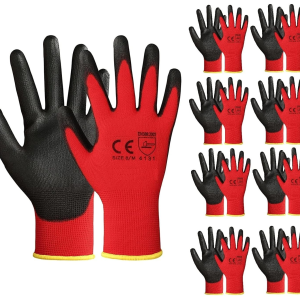
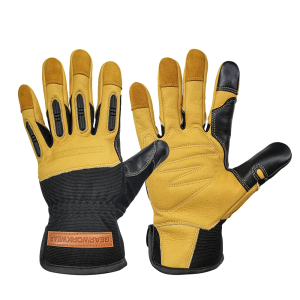
In construction, engineering, and manufacturing environments, hands are constantly exposed to sharp edges, abrasive surfaces, and heavy machinery. Standard fabric or leather mitts often lack the advanced fiber technology needed to stop a blade or sharp piece of sheet metal from piercing the skin. This is where specialized safety work gloves become crucial. Modern protective gear utilizes high-performance polyethylene or aramid fibers to weave lightweight linings that offer high levels of cut resistance without bulkiness.
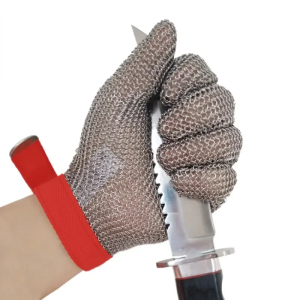
When selecting your equipment, understanding the specific European standards (such as EN 388) ensures you are purchasing a verified safety glove that can actually withstand real-world workplace friction. A high-grade cut resistant safety gloves rating means the material has been rigorously tested against blade cuts, tearing, and punctures. These advanced options allow technicians to handle glass, sharp steel components, and heavy-duty hand tools with total confidence, significantly reducing the incidence of severe puncture wounds and lacerations on the shop floor.
Thermal Hazards and Specialized Electrical Protection
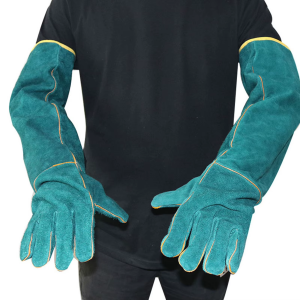
Thermal and electrical hazards demand entirely different material compositions than mechanical tasks. Workers in welding, metal fabrication, or commercial kitchens face severe burns from molten splatter, hot machinery, and open flames. Using a standard synthetic glove in these scenarios is incredibly dangerous, as the material can melt directly onto the skin. Utilizing certified heat resistant safety gloves made from heavy-duty split leather or treated silicone creates a reliable thermal barrier, allowing safe handling of hot components up to several hundred degrees.
[Low Voltage / Domestic] —> Lightweight Rubber Insulated (Class 00/0)
[High Voltage / Industrial] —> Heavy Duty Dielectric Rubber + Leather Outer
Conversely, dealing with live currents requires specialized insulation that completely prevents electricity from grounding through the body. For utility workers, electric vehicle technicians, and industrial engineers, relying on rubber gloves electrical safety protocols is a non-negotiable part of the daily routine. These dielectric gloves are individually tested to withstand specific voltage thresholds, ensuring that a sudden surge or accidental contact with a live wire does not result in a fatal shock.
| Hazard Type |
Ideal Material |
Primary Protective Function |
| Sharp Metal / Glass |
Polyethylene / Aramid Fibers |
Prevents blade penetration and deep lacerations. |
| Extreme Heat / Sparks |
Treated Split Leather / Kevlar |
insulates the hand against contact burns and open flames. |
| Chemical Spills / Oils |
Nitrile / Neoprene Coatings |
Blocks corrosive fluids from absorbing into the skin. |
| Live Electrical Currents |
Dielectric Natural Rubber |
Stops high-voltage electrical grounding through the body. |
Chemical Resistance and Long-Term Ergonomic Comfort
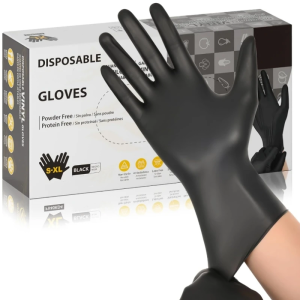
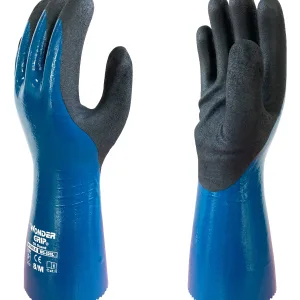
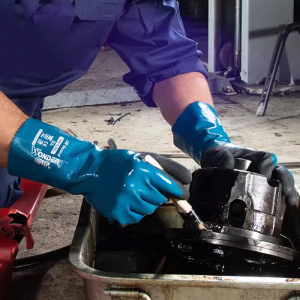
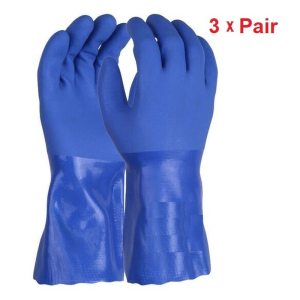
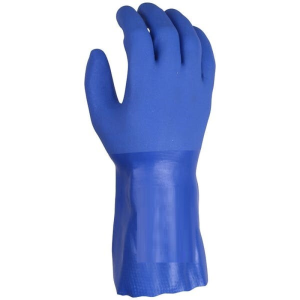
Chemical exposure is a silent hazard that often causes long-term damage rather than immediate pain. Solvents, oils, cleaning agents, and industrial adhesives can cause chronic dermatitis or absorb into the bloodstream over time if workers rely on standard cloth protection. Incorporating heavy-duty rubber safety gloves or nitrile-coated variants into your workflow creates an impermeable barrier against liquid ingress. These coatings are specifically engineered to resist degrading when exposed to harsh petroleum products and industrial degreasers.
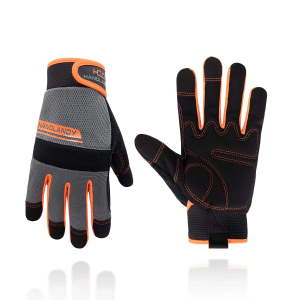
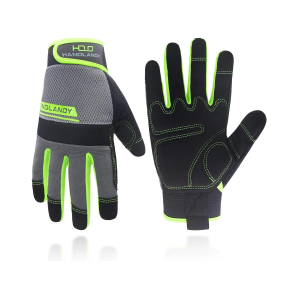
However, protection is only effective if the gear is comfortable enough to be worn continuously throughout an eight-hour shift. Poorly designed hand safety gloves cause hand fatigue, excessive sweating, and a loss of grip control, which often prompts workers to remove them entirely. Modern ergonomic designs feature breathable backings and textured palms that channel oils away from the surface, ensuring a firm grip on tools while keeping hands cool and dry. Exploring the full range of specialized safety gloves allows managers to find the perfect balance of chemical defense, breathability, and grip performance for their specific teams.
Selecting Certified Protection for Workplace Compliance
Maintaining a safe work environment goes beyond basic comfort; it is a legal requirement under UK health and safety regulations. Employers are responsible for providing certified personal protective equipment that accurately reflects the risk assessments of their specific job sites. Relying on unrated, cheap imports leaves a business open to liability and puts workers at unnecessary risk. Investing in fully certified safety products ensures that your safety gear meets the stringent criteria set by regulatory bodies.
Ultimately, the small cost of upgrading to premium, application-specific hand protection is vastly outweighed by the long-term benefits. Fewer injuries mean lower insurance premiums, higher workforce morale, and steady productivity. By providing your team with durable, reliable, and comfortable protective wear, you establish a workplace culture that prioritizes human well-being and operational excellence every single day.
Frequently Asked Questions
How do I determine the correct size for my safety work gloves?
To find your perfect fit, measure the circumference of your dominant hand just below the knuckles, excluding the thumb. Match this measurement in inches or centimeters to the manufacturer’s size guide. A properly fitting glove should feel snug but allow you to make a full fist without restricting blood circulation.
What is the difference between EN 388 and other glove safety ratings?
EN 388 is the specific European standard used to regulate protection against mechanical risks. It tests a glove’s performance against four main criteria: abrasion resistance, blade cut resistance, tear resistance, and puncture resistance. The results are displayed as a clear numerical code on the cuff of the glove.
Can I use heat resistant safety gloves to handle electrical wiring?
No, thermal gloves and electrical gloves are made from completely different materials. Thermal gloves often contain metal fibers or treated leather that can actually conduct electricity. For any live electrical work, you must use dedicated dielectric rubber gloves that are rated for the specific voltage of the system.
How often should rubber gloves electrical safety items be inspected?
Dielectric rubber gloves must be visually inspected and air-tested for punctures before every single use. Even a microscopic pinhole can allow electricity to pass through and cause a severe shock. Additionally, regulations require that these gloves undergo professional re-testing every six months to verify their insulation integrity.
What are the main benefits of using nitrile-coated safety gloves over latex?
Nitrile coatings offer significantly higher puncture and chemical resistance than natural latex, making them ideal for automotive and industrial tasks. Furthermore, nitrile is a completely synthetic material, meaning it eliminates the risk of allergic reactions associated with natural latex proteins.
How do cut resistant safety gloves protect against sharp glass or metal?
These gloves are woven using advanced materials like Kevlar, HPPE, or steel mesh cores wrapped in high-strength textiles. When a sharp edge contacts the fabric, these tough fibers slide across one another to absorb and distribute the cutting force, preventing the blade from breaking through to the skin.
Are industrial rubber safety gloves reusable after chemical exposure?
It depends entirely on the type of chemical and the glove material. Heavy-duty nitrile or neoprene gloves can often be washed and reused if they show no signs of swelling, degradation, or discoloration. However, if they have been exposed to highly corrosive acids, they should be disposed of safely after the task.
Why do my hands sweat excessively in heavy-duty hand safety gloves?
Excessive sweating occurs when using fully coated, non-breathable materials like solid rubber or thick PVC. To solve this issue, look for gloves that feature a palm-only coating combined with a breathable woven backing, which allows hot air and moisture to escape from the back of your hand.
What should I do if my protective gloves get a small tear or puncture?
Any glove that suffers a tear, deep abrasion, or puncture must be replaced immediately. Damaged protective gear no longer provides the certified level of safety required for the task, exposing your skin directly to mechanical injuries, chemical burns, or thermal hazards.
How do I clean and maintain my fabric and leather work gloves?
Woven fabric gloves can usually be machine-washed on a gentle cycle with mild detergent and air-dried. Leather variants should never be submerged in water as they will become stiff and brittle; instead, wipe them down with a damp cloth and apply a specialized leather conditioner to keep them flexible.