Industrial Safety Products: Premium Site Work Protection Equipment
Navigating the modern workplace requires more than just operational efficiency; it demands uncompromising protection. Across the UK, managing risks on construction sites, in manufacturing facilities, and within warehouses is a top priority for site managers and independent contractors alike. Securing reliable industrial safety products is a regulatory necessity under HSE guidelines and a practical obligation to keep your workforce injury-free.
Every work environment presents distinct challenges, from airborne debris and heavy falling objects to low-visibility conditions and handling hazards. Finding a dependable supplier to buy industrial safety products online simplifies compliance, ensuring your team has access to gear that meets stringent British and European safety standards. Investing in the right equipment transforms a high-risk site into a secure, productive environment where operations run smoothly.
Mitigating Physical Hazards on the Workfront
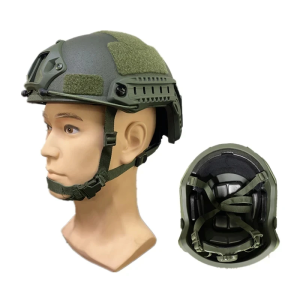
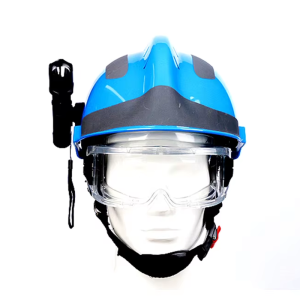
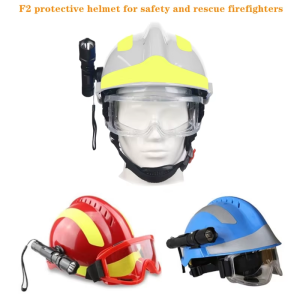
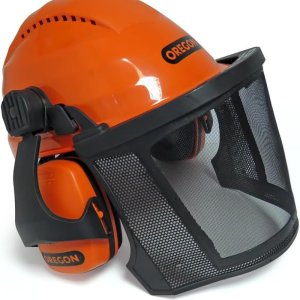
High-risk environments require structured, layered protection to combat everyday mechanical risks. On busy developments, head injuries remain a primary concern, often caused by falling tools, low clearance beams, or accidental slips. Deploying a certified safety helmet ensures impact absorption and skull protection, serving as the first line of defense against overhead dangers on site.
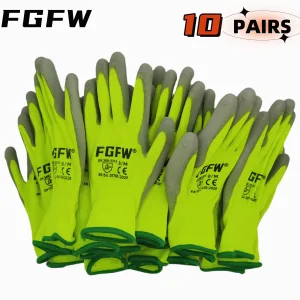
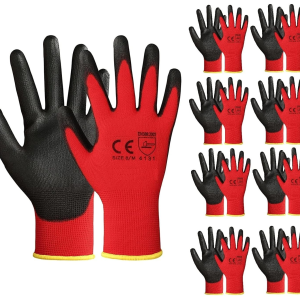
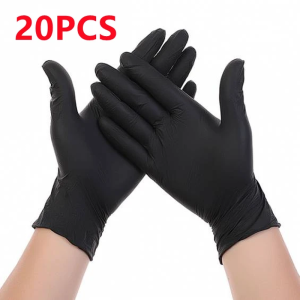
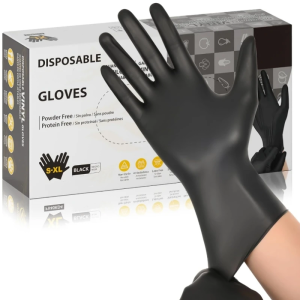
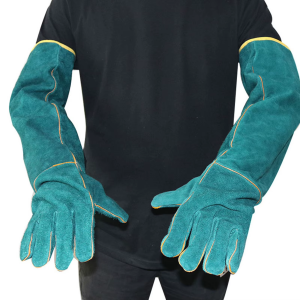
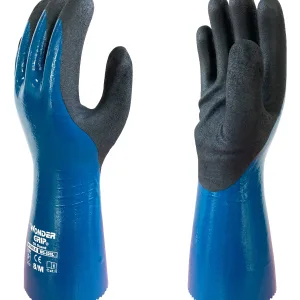
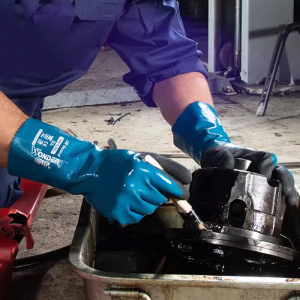
Equally critical is protecting the hands, which are constantly exposed to abrasions, chemical spills, and puncture hazards. Selecting a durable pair of safety gloves allows workers to handle sharp metals, masonry, or glass with confidence, maintaining grip without sacrificing manual dexterity. By addressing these physical vulnerabilities systematically, businesses can noticeably reduce downtime caused by preventable minor accidents.
| Risk Category |
Primary Hazard |
Standard Protective Solution |
| Overhead Impacts |
Falling tools, low ceilings, structural debris |
Reinforced hard hat with secure suspension straps |
| Dermal Exposure |
Sharp edges, friction burns, chemical contact |
High-dexterity cut-resistant hand protection |
Enhancing Visibility and Eye Protection
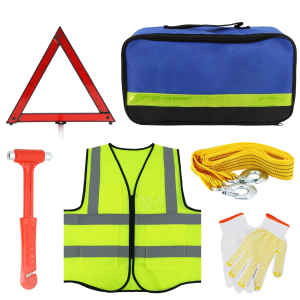
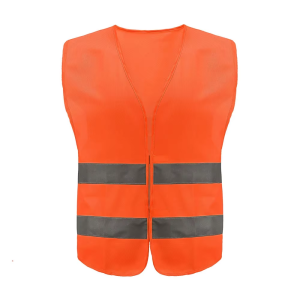
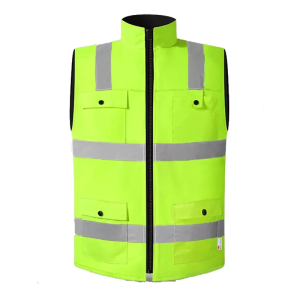
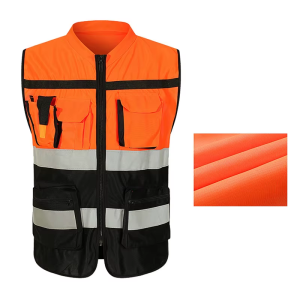
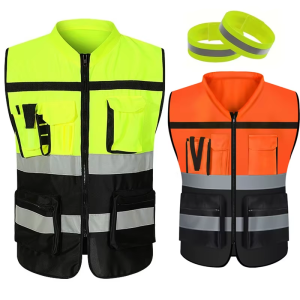
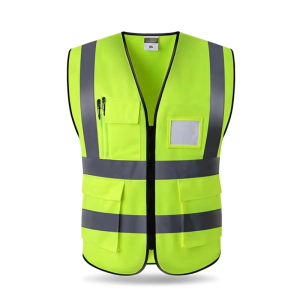
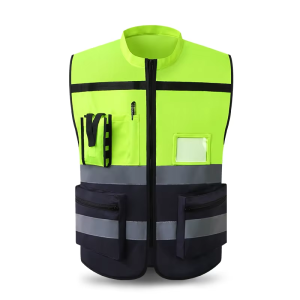
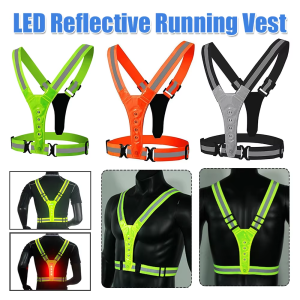
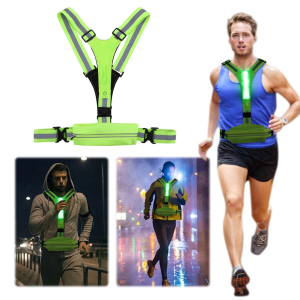
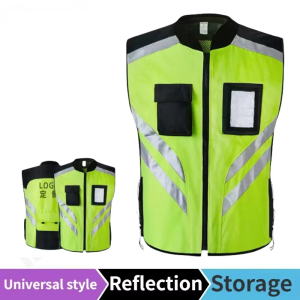
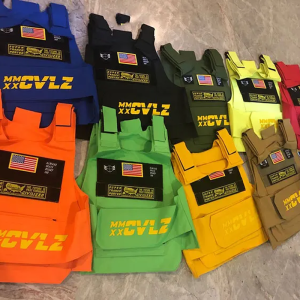
Maintaining spatial awareness and high visibility is central to construction site safety products. In low-light environments, or on sites where heavy machinery and pedestrian workers cross paths, being easily spotted prevents severe logistical accidents. Wearing a high-vis reflective vest ensures that personnel remain visible to crane operators and vehicle drivers during twilight hours, bad weather, or night shifts.
| Environmental Danger |
Protective Gear Requirement |
Expected Operational Outcome |
| Low-light operations |
High-visibility warning garments |
Maximised worker visibility from distance |
| Airborne particles |
Impact-resistant optical barriers |
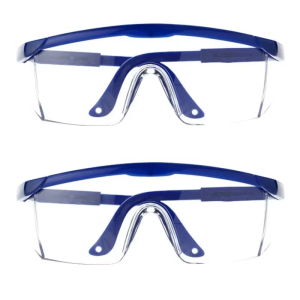
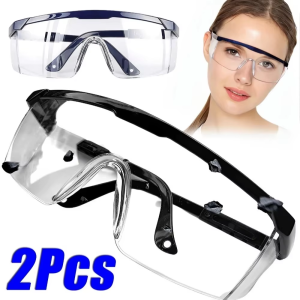
Complete shielding from dust, sparks, and shards |
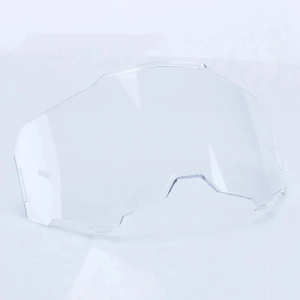
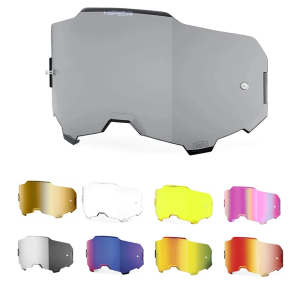
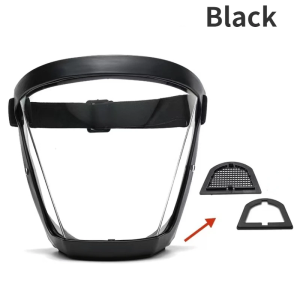
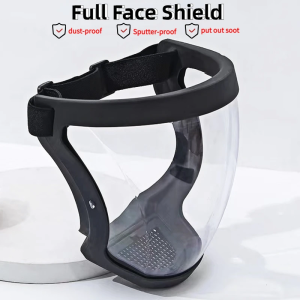
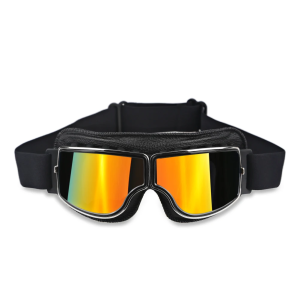
In addition to visibility, shielding your sight from dust, flying shards, and chemical splashes is non-negotiable. Investing in impact-resistant safety glasses keeps vision clear and prevents foreign objects from causing permanent optical damage. When companies opt to Buy With Us for their site supplies, they secure access to durable gear tailored to meet the intense demands of UK industrial sectors.
Sourcing All Industrial Safety Products Online
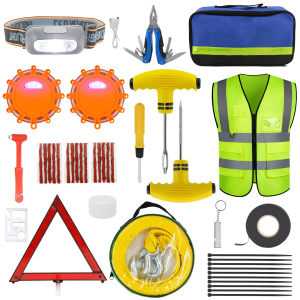
Consolidating your safety procurement into a single process saves time and ensures uniform quality across your workforce. Finding comprehensive safety industrial products online removes the hassle of visiting multiple trade counters, allowing project managers to equip an entire crew with a few clicks. From core personal protective apparel to specific construction safety products, an integrated approach keeps your business audit-ready.
True compliance relies on choosing gear that features clear certification markings, demonstrating true resilience under industrial pressure. Selecting an industrial safety product portfolio built on durability ensures that your safety gear won’t degrade prematurely under tough weather or harsh chemicals. Prioritising robust gear safeguards your team, minimises replacement costs, and fosters a true culture of workplace safety.
Frequently Asked Questions
What certifications should I check for when purchasing an industrial safety product?
When sourcing all industrial safety products, look for the UKCA or CE marks accompanied by specific EN standards. For example, eye protection should comply with EN 166, while head protection generally requires EN 397 compliance. These marks guarantee the gear has undergone rigorous impact and stress testing to ensure reliable field performance.
How do I determine the correct size for a protective safety helmet?
Most commercial safety helmets feature adjustable ratchet or pin-lock suspension systems inside the shell. To find the correct fit, measure the circumference of the head just above the eyebrows. Adjust the inner band until the helmet sits securely without tilting forward or pinching, ensuring it stays stable during movement.
Why is a reflective vest mandatory on UK construction sites?
A high-visibility vest is a standard requirement under the Personal Protective Equipment at Work Regulations. It ensures that workers are instantly visible to operators of heavy machinery, site vehicles, and cranes, drastically lowering the risk of blind-spot accidents in low-light conditions or chaotic environments.
What materials offer the best performance for heavy-duty safety gloves?
The material choice depends on the specific workplace hazard. Polyurethane and nitrile coatings provide excellent grip and puncture resistance for handling oily components or glass, while heavy-duty leather is preferred for welding or heat protection. Always check the mechanical risk ratings for cut resistance before deploying them.
Can standard prescription spectacles be used as safety glasses on site?
No, standard everyday eyewear does not offer the necessary side shielding or high-impact lens resistance required on a work site. Personnel requiring vision correction should use certified prescription safety eyewear or wear specialised over-spec goggles designed to fit comfortably over standard glasses.
How often should industrial safety products be inspected for wear and tear?
Safety equipment should be visually inspected by the user before every single shift. Look closely for deep scratches on lenses, cracks in helmet shells, frayed stitching on high-vis vests, or worn areas on glove palms. Any item showing structural compromise must be decommissioned immediately.
What is the typical shelf life of a standard safety helmet?
Most manufacturers recommend replacing a hard hat every three to five years from the date of first use, even if it shows no visible damage. The plastic shell gradually degrades over time due to UV exposure and temperature fluctuations, reducing its capacity for impact absorption.
Are there specific safety products required for roadworks compared to building sites?
Yes, roadwork environments often demand higher classes of high-visibility clothing, such as Class 3 garments with sleeve retroreflective bands, due to higher vehicle speeds. Building sites focus more heavily on falling object hazards, requiring consistent overhead and underfoot protective barriers.
How should I clean and store my personal protective equipment?
Clean your safety gear using mild soap, warm water, and a non-abrasive cloth. Avoid harsh chemical solvents, as they can weaken plastics or strip protective coatings from lenses. Store all items in a cool, dry place away from direct sunlight to prevent material degradation.
Can I buy industrial safety products online for a large workforce?
Yes, purchasing your safety gear online is an efficient way to equip large teams uniformly. Online platforms allow you to cross-reference technical specification sheets easily, manage bulk quantities, and ensure that every worker receives identical, fully compliant protective gear.