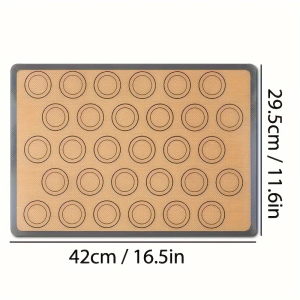
Upgrade Your Kitchen with a Premium Silicone Baking Mat
For passionate home bakers and professional pastry chefs across the UK, the kitchen counter is a space of creativity, but it is also a source of frequent frustration. Traditional baking relies heavily on single-use parchment paper, aluminium foil, or heavy greasing, all of which present unique challenges. Parchment paper rolls curl up constantly, tear under heavy doughs, and run out unexpectedly mid-recipe. On the other hand, greasing trays with butter or oil adds unwanted calories, changes the structural expansion of cookies, and leads to hours of intense scrubbing to remove burnt-on residue from expensive metal pans.
Transitioning to a high-grade silicone baking mat addresses these structural bottlenecks at once. By introducing a reusable, food-safe surface directly into your culinary workflow, you eliminate the ongoing household expense of disposable liners while achieving professional-level consistency. These mats lay perfectly flat, distribute heat uniformly across the entire baking tray, and protect your bakeware from warping and staining, transforming how you approach everything from delicate macarons to rustic sourdough loaves.
Overcoming the Hidden Costs and Frustrations of Traditional Baking Liners
The repetitive cycle of buying, cutting, and disposing of baking paper creates an unnecessary drain on both your monthly household budget and environmental sustainability efforts. Furthermore, single-use papers often char at high oven temperatures, imparting an unpleasant bitter taste to the bottom of your pastries. Incorporating a non stick silicone baking mat into your baking sheet configuration provides an instantly smooth, food-safe barrier that completely bypasses the need for single-use alternatives. The innovative combination of food-grade silicone and a reinforced fiberglass core ensures that heat transfers evenly, which prevents the edges of your biscuits from scorching while the centers remain undercooked.
Managing the amount of fat used in your food preparation is another common kitchen struggle. When roasting vegetables, cooking proteins, or prepping savory items, it can be easy to accidentally over-saturate the tray. To solve this, pairing your new pastry surface with an ergonomic Oil Spray Bottle gives you absolute volumetric control, allowing you to apply a micro-mist of oil only when a recipe explicitly demands it for flavour enrichment. When you invest in these long-term utility solutions from Buy With Us, you shift away from chaotic, high-waste cooking routines toward a streamlined, predictable system that keeps your kitchen running smoothly and efficiently.
Achieving Commercial Consistency in Home and Professional Kitchens
The true test of any bakeware accessory is its ability to deliver uniform results under varying thermal conditions. Cheap baking sheets often suffer from localized “hot spots” inside domestic ovens, causing cookies to bake unevenly and expand unpredictably. Experienced pastry makers recognize that baking on silicone mats remedies this issue by absorbing the initial intense burst of heat from the oven elements and radiating it consistently across the dough. This uniform thermal conductivity is particularly vital for technical bakes like choux pastry or meringues, where temperature stability dictates whether the bake rises successfully or collapses.
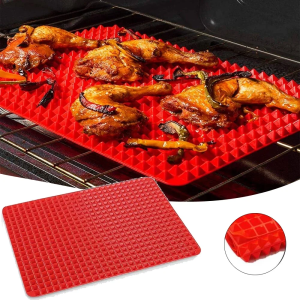
Beyond simple sweets, a durable baking silicone mat handles intense, savoury culinary tasks with equal ease. From roasting honey-glazed root vegetables to baking sticky marinated chicken wings, the non-stick surface ensures that caramelized sugars and proteins lift away effortlessly without tearing away the exterior skin of your food. Expanding your culinary collection with these versatile kitchen products ensures you are fully equipped to handle complex recipes without the dreaded aftermath of soaking and scrubbing carbonized food from your baking pans.
| Kitchen Solution |
Common Baking Pain Point |
Practical Lifestyle Benefit |
| Fiberglass Core Mat |
Uneven oven hot spots and burnt cookie bottoms |
Distributes thermal energy evenly for consistent browning. |
| Zero-Grease Surface |
Excess fat intake and stubborn pan stains |
Eliminates the need for butter linings or aerosol sprays. |
| Flexible Washable Mesh |
Endless scrubbing and damaged baking trays |
Cleans up in seconds with a simple wipe of warm soapy water. |
| True Non-Stick Finish |
Torn pastries and ruined macaron shells |
Delivers a smooth, effortless release for delicate doughs. |
Selecting the Right Dimensions and Features for Your Culinary Setup
Not all baking accessories are created equal, and choosing the correct size is essential to ensure your trays sit flat without curling against the oven walls. A baking mat large enough to cover an entire commercial tray is perfect for batch baking, while standard half-sheet sizes fit comfortably into typical UK domestic ovens. When you are ready to buy silicone baking mat options for your home, look for premium certifications that guarantee the material is completely free from chemical fillers, ensuring it remains odor-free even when exposed to high temperatures over several years.
Investing in high-quality silicone baking mats also fundamentally changes your post-cooking clean-up routine. Instead of wasting litres of water and using harsh abrasive chemicals to clean caramelized sugar off raw aluminium sheets, these flexible liners can be removed, washed with a drop of mild dish soap, and air-dried in a fraction of the time. This shift toward durable, high-performance baking mats rewards you with a more predictable cooking experience, cleaner countertops, and significantly more free time to enjoy your culinary creations with family and guests.
Frequently Asked Questions
What is the primary benefit of using a silicone baking mat over traditional parchment paper?
A premium mat provides an entirely reusable, naturally non-stick surface that completely eliminates the recurring cost and environmental waste of paper. It lays perfectly flat on your tray, distributes heat evenly to prevent burnt bottoms, and will not char or tear under heavy doughs.
Can you use a silicone baking mat directly on the metal oven racks?
No, you should always place your baking mat flat inside a rigid baking tray or sheet. Placing the flexible silicone material directly onto open metal oven wire racks can cause the mat to sag, leading to uneven cooking, spilling fats, or potential structural damage from the heating elements.
Is it safe to use sharp metal pastry cutters directly on the surface of the mat?
You should never use sharp knives, metal pizza wheels, or metal cutters on silicone liners. The internal structure contains a woven fiberglass mesh that provides heat distribution; piercing or cutting the silicone exterior will compromise the mat’s integrity and ruin its food-safe properties.
What is the maximum oven temperature a non stick silicone baking mat can handle safely?
High-grade silicone baking mats are engineered to withstand stable temperatures ranging from sub-zero freezer conditions up to 230 degrees Celsius. This wide thermal range makes them exceptionally versatile for freezing dough portions and roasting savory items in high-heat environments.
How do you properly clean a baking silicone mat after roasting greasy or sugary foods?
Cleaning is incredibly straightforward. Simply wipe the surface down using warm running water, a soft sponge, and mild grease-cutting dish soap. Avoid using abrasive steel wool or harsh chemical cleaners, as these can strip away the specialized non-stick outer silicone coating.
Why does my silicone pastry mat feel slightly oily even after I have washed it thoroughly?
Silicone is a naturally porous material that can absorb microscopic food oils during high-heat roasting. This faint residue is completely normal and does not affect the food-safe performance. You can remove it by applying a paste of fresh baking soda and lemon juice, letting it sit, and rinsing.
What are the main differences to look for when trying to buy silicone baking mat sizes in the UK?
It is essential to measure the interior base of your preferred baking trays before purchasing. A baking mat large enough for a commercial kitchen tray will curl up if forced into a standard UK domestic oven pan, which prevents your baked goods from laying completely flat.
Do I ever need to grease or oil a silicone liner before pouring batter?
For the vast majority of recipes, including biscuits, pastries, roasted vegetables, and flapjacks, you do not need to apply any grease or oil. The natural properties of the surface ensure an effortless release, though a micro-mist of oil can be added solely for specific recipe flavouring.
Are these mats safe for long-term health and free from toxic chemical fillers?
Yes, premium mats are constructed from food-grade silicone that is chemically inert and completely free from harmful fillers. They do not emit toxic fumes, change the flavor of your food, or leach synthetic chemicals into your baked goods, even after years of continuous high-heat use.
How should I store my flexible baking mats to save cupboard space without damaging them?
The most efficient storage method is to either store them completely flat inside your most frequently used baking pans or roll them up loosely and secure them with a rubber band. You should avoid folding or creasing the mats sharply, as this can permanently fracture the internal fiberglass core.