
Bathrooms present a unique set of cleaning challenges compared to any other room in the house. Between high humidity levels, mineral-heavy hard water deposits, body oils, and soap scum buildup, a generic multi-surface cleaner often falls short.
Choosing an effective bathroom cleaner requires understanding which chemical compounds target specific types of bathroom grime. Matching the active ingredient to your specific surface issue ensures you can maintain hygienic porcelain, glass, and chrome without causing dullness or surface pitting.
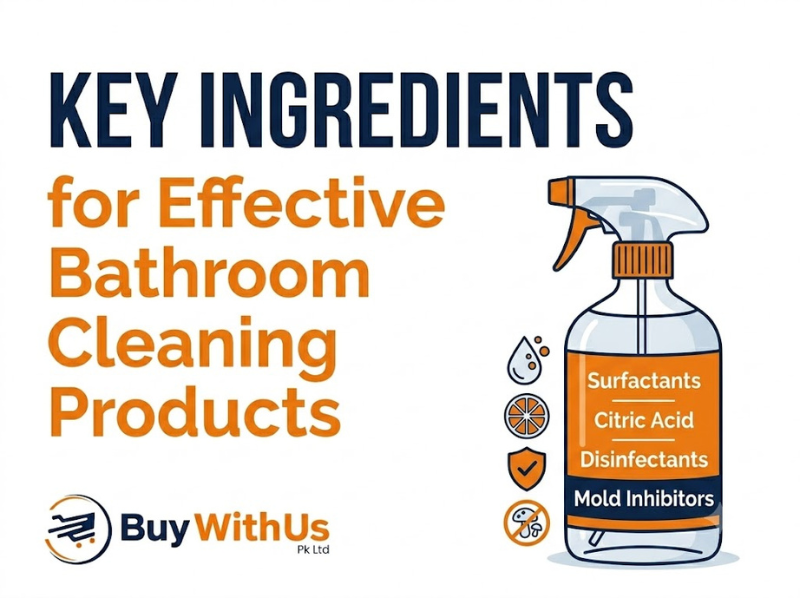
1. Organic Acids (For Limescale & Hard Water Scale)
Hard water spots and stubborn white mineral deposits around taps, showerheads, and glass panels consist primarily of calcium carbonate. To dissolve these alkaline deposits, a cleaner must contain acidic compounds.
- Citric Acid: A naturally derived, biodegradable organic acid that dissolves mineral buildup efficiently. It is non-toxic, gentle on chromium fixtures, and leaves a clean, neutral scent.
- Lactic Acid: Highly effective at breaking down soap scum and mineral crusts while providing natural anti-bacterial properties.
- Sulfamic / Phosphoric Acid: Found in heavy-duty commercial formulas for severe limescale buildup. These require careful handling and controlled application to avoid etching natural stone or soft metals.
2. Surfactants (For Soap Scrum & Body Oils)
Soap scum forms when the fatty acids in traditional bar soaps combine with the minerals in hard water, creating an insoluble, waxy film across tiles and shower doors.
- Non-Ionic Surfactants (e.g., Alkyl Polyglucosides): These gentle, plant-derived cleansers break the surface tension of water, emulsifying greasy oils and lifting wax residues so they can be rinsed away without leaving streaks.
- Anionic Surfactants (e.g., Sodium Lauryl Sulfate): High-foaming agents that help cling to vertical shower walls, allowing longer contact time to lift dirt before wiping.
Selecting a cleaner enriched with balanced surfactants alongside high-performing best home cleaning products guarantees a streak-free shine across glass screens and glossy ceramics.
3. Disinfectants & Antimicrobials (For Bacteria & Germs)
Bathrooms require targeted sanitization around toilets, sinks, and high-touch areas like flush handles and tap levers.
- Benzalkonium Chloride & Quaternary Ammonium Compounds (Quats): Widely used in non-bleach bathroom sprays, quats neutralize bacteria and viruses by disrupting their cell membranes. They are safe on most hard surfaces and do not emit harsh chemical fumes.
- Hydrogen Peroxide: An environmentally friendly oxidizer that breaks down into oxygen and water. It kills bacteria and lifts light organic stains without bleaching colorful grout.
- Sodium Hypochlorite (Chlorine Bleach): A powerful disinfectant that lightens deep stains instantly. However, it should be used sparingly, as frequent bleach exposure can erode tile sealants and discolour metal fixtures.
4. Mold & Mildew Inhibitors
Due to constant condensation, shower corners and silicone seals are prone to fungal growth.
- Sodium Percarbonate: Often referred to as solid hydrogen peroxide, this ingredient releases oxygen bubbles when activated by water, lifting black mold spores out of porous grout lines.
- Tea Tree & Eucalyptus Oils: Natural botanical compounds that act as mild antifungal agents, helping to slow down mildew regrowth in poorly ventilated spaces.
When tackling deep-set mold in tile grout or tight shower tracks, manual scrubbing can be tiring. Pairing an antifungal formula with an automated Electric Spin Scrubber allows high-speed rotating brush heads to dislodge embedded spores effortlessly without scratching surrounding tiles.
Key Active Ingredients Breakdown
| Target Bathroom Issue | Recommended Active Ingredient | Recommended Surface Use | Ingredients to Avoid on Delicate Surfaces |
| Limescale & Mineral Chalk | Citric Acid, Lactic Acid | Chrome taps, shower glass, porcelain | Hydrochloric acid on unsealed marble |
| Soap Scrum & Film | Non-Ionic Surfactants | Acrylic tubs, glass enclosures, ceramic tiles | Coarse abrasive powders that scratch acrylic |
| Bacteria & Sanitization | Quaternary Ammonium, Hydrogen Peroxide | Toilets, sinks, flush buttons, door handles | Undiluted bleach on coloured grout |
| Grout Mold & Fungal Stains | Sodium Percarbonate, Sodium Hypochlorite | Tile grout, silicone sealant, drain rims | Acid-bleach mixtures (never mix acids & bleach) |
Mechanical vs. Chemical Action: Clearing Bathrooms Safely
Chemical cleaners work best when paired with the right mechanical tools. For instance, standing water in shower trays or sinks is often caused by hair clogs deep in the waste pipes rather than surface buildup.
Before pouring harsh caustic drain unblockers that can heat up and weaken PVC pipework, using a flexible tool to remove hair from shower drain lines provides an immediate, eco-friendly solution without chemical risks.
Safety Guidelines for Bathroom Chemical Use
- Never Mix Ammonia and Bleach: Combining products containing bleach with ammonia or acids (like vinegar or limescale removers) produces dangerous toxic chloramine gases.
- Check Surface Compatibility: Never use acidic ingredients (citric acid, vinegar) on natural stone like marble, limestone, or granite, as acids will permanently etch the calcium carbonate within the stone.
- Ensure Adequate Ventilation: Always open windows or run an extractor fan when using concentrated spray disinfectants or mold removers.
FAQs
What is the best ingredient for removing hard water spots on glass?
Citric acid and lactic acid are the most effective ingredients for dissolving hard water mineral spots on glass without scratching or dulling the surface finish.
Can I use vinegar on all bathroom surfaces?
No. While vinegar (acetic acid) dissolves limescale on porcelain and chrome, its acid content can dull natural stone surfaces like marble, granite, and travertine over time.
What ingredient kills bathroom mold permanently?
Fungicidal agents like hydrogen peroxide, sodium hypochlorite, or specialized quaternary ammonium compounds destroy mold spores. However, controlling humidity via ventilation is essential to stop mold from returning.
Are eco-friendly bathroom cleaner ingredients as effective?
Yes. Modern eco-friendly cleaners use plant-derived surfactants and concentrated citric acid, which dissolve soap scum and mineral deposits just as effectively as traditional synthetic chemicals.
What ingredient is safe for cleaning acrylic bath tubs?
Mild non-ionic surfactants paired with warm water are best for acrylic. Avoid abrasive powders, acetone, or harsh solvents, which can melt or scratch the smooth acrylic finish.
Why shouldn’t I use bleach on chrome taps?
Chlorine bleach is corrosive to chrome plating. Over time, frequent contact can cause the plating to pit, peel, or turn black along the edges of your fixtures.
What ingredient helps prevent water spots after cleaning?
Hydrophobic polymers or wax-based additives form a invisible protective barrier on glass and tiles, causing water droplets to bead up and roll off before mineral spots can form.
How do I know if a bathroom cleaner is safe for septic tanks?
Look for products labeled as biodegradable, phosphate-free, and chlorine-free, utilizing natural plant-based surfactants or hydrogen peroxide rather than heavy synthetic biocides.
Is hydrogen peroxide better than chlorine bleach for bathroom grout?
Yes. Hydrogen peroxide acts as a gentler oxygen-based bleach that lifts dark organic stains out of porous grout without damaging the surrounding tile sealant or emitting harsh fumes.
How long should I leave bathroom cleaners on surfaces before wiping?
Most active disinfectants and acid-based limescale removers require a contact dwell time of 3 to 5 minutes to fully emulsify grime and neutralize bacteria before rinsing.
To find smart, practical tools designed to keep your home clean and organized, explore the full collection of utility solutions available at Buy With Us.




Add comment