
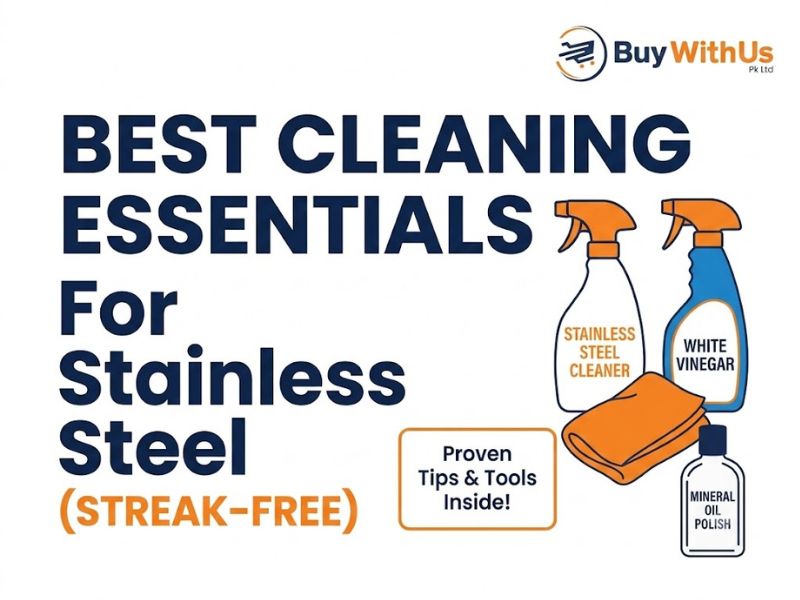
Stainless steel appliances are the undisputed crown jewels of a modern British kitchen. From sleek double-doored refrigerators to precision hobs, they lend an undeniable air of professional elegance to your home. However, maintaining that immaculate, showroom-level mirror finish can feel like a relentless battle against physics. Within hours of a deep clean, a pristine surface can easily accumulate a chaotic tapestry of greasy fingerprints, dull water marks, and stubborn culinary splatters.
The secret to a pristine kitchen does not lie in aggressive scrubbing or overly complex chemical formulas. In fact, treating this resilient metal with heavy-handed abrasives is the fastest way to permanently ruin its protective factory sheen. Achieving a flawless finish requires a strategic combination of delicate structural tools, emulsifying agents, and a fundamental understanding of the material itself. This expert guide covers the definitive tools and techniques required to banish smudges and safeguard your premium appliances for the long haul.
The Non-Negotiable Anatomy of Steel Care
Before introducing any liquid formulas to your appliances, you must inspect the physical architecture of the metal. Just like natural timber, manufactured stainless steel features a distinct, microscopic grain directional pattern running either horizontally or vertically across its surface.
Cracking the Grain Code
If you examine your appliance closely under direct light, you will observe fine, uniform striations across the metal. This is the grain direction. When wiping away grease, applying formulas, or buffing the surface, your physical movements must strictly mirror these lines.
Wiping across or perpendicular to the grain pushes fine dust and chemical residue deep into the microscopic grooves of the steel. Over time, this poor habit creates thousands of microscopic micro-abrasions, trapping dulling kitchen grease and forming cloudy, permanent streaks that destroy the factory reflection.
The Tool Kit: Microfiber vs. The World
The absolute foundation of stainless steel preservation is the material composition of your cloth. Standard paper towels, kitchen tea towels, and traditional cellulose sponges are surprisingly abrasive on a microscopic scale. They shed fine cellulose fibers and can create micro-scratches on polished metal surfaces.
High-density, split-fiber microfiber cloths are essential for a streak-free shine. These engineered textiles feature polyester and nylon loops split to a fraction of a human hair’s width. The microscopic structure creates a powerful mechanical capillary action that lifts, traps, and locks away microscopic oils and moisture droplets rather than smearing them across the surface. For everyday upkeep, pairing a high-density cloth with the best home cleaning products ensures your surfaces remain spotless without relying on harsh industrial solvents.
3 Proven Methods to Clean Stainless Steel
Different types of kitchen messes require different approaches. A light layer of daily dust needs a different treatment than baked-on grease splatters around a hob. These three benchmark cleaning methodologies deliver pristine, damage-free results.
| Cleaning Methodology | Primary Target Mess Type | Essential Supplies Needed | Expected Visual Outcome |
| The Gentle Emulsification Method | Daily dust, light smudges, fresh oils, and safe maintenance | Concentrated liquid dish soap, warm water, two microfiber cloths | Clean, matte, residue-free factory surface finish |
| The Acidic Break-Down Method | Hard water white scaling, dried food drops, thick grease | Pure white vinegar, trigger spray bottle, dry buffing cloth | Bright, highly reflective, scale-free surface |
| The Mechanical Micro-Buff Method | Microscopic scratches, dullness, permanent finger tracking | Pure food-grade mineral oil or cold-pressed olive oil | High-gloss, liquid-repellent protective optical shine |
1. The Gentle Emulsification Method
For general upkeep, specialized industrial chemical sprays are often unnecessary. A gentle solution of warm water mixed with a few drops of concentrated, pH-neutral dish soap works wonders. The surfactants in the dish soap break down surface oils on contact, suspending the grease so it can be easily wiped away.
Dampen your first microfiber cloth in the warm, soapy water, wring it out until it is barely moist, and glide it along the grain. Follow up immediately with a second dry microfiber cloth to absorb any remaining moisture. This step prevents dissolved mineral salts in your tap water from drying into cloudy white water spots.
2. The Acidic Break-Down Method
If your kettle or dishwasher door shows white hard-water spots, a mild acid can dissolve the mineral deposits. Mix equal parts water and pure white vinegar in a spray bottle. Spritz the solution lightly onto the affected area, letting the natural acetic acid break down the alkaline crust.
Wipe clean with a microfiber cloth along the grain. Because vinegar can cause subtle discoloration if left to sit for hours, always follow up with a quick water rinse and dry the surface thoroughly.
3. The Mechanical Micro-Buff Method
Once your appliance is clean and dry, you can apply a protective layer to keep it looking pristine. Pour a dime-sized drop of food-grade mineral oil or olive oil onto a clean microfiber cloth. Buff the oil into the steel along the grain.
This process creates an ultra-thin, hydrophobic barrier that prevents oils from bonding to the metal. Fingerprints will no longer leave dark smudges, and liquid splashes will bead up and roll away easily.
Advanced Kitchen Cleaning Strategies
Managing a kitchen involves keeping multiple surfaces and fixtures clean at the same time. The same focus on gentle, effective tools applies across your entire cleaning routine.
[Deep Kitchen Surface Cleaning]
│
├─► [Polished Metals & Steel] ──► Gentle Surfactants & Grain-Aligned Wiping
│
└─► [Textured Zones & Grates] ──► Mechanical High-Frequency Agitation
For textured zones like cooker hobs, heavy-duty pan grates, or intricate splashbacks, wiping down the surfaces by hand can be tiring. Stubborn, baked-on grease often requires consistent, mechanical scrubbing to loosen without scratching the underlying metal surfaces. Using an automated Electric Spin Scrubber provides continuous, high-frequency rotation that lifts grease out of crevices effortlessly, saving you time and protecting your fixtures from scratches.
Similarly, kitchen and utility room maintenance often requires addressing hidden blockages that can slow down your appliances. Slow-draining sinks and pooling water often stem from debris trapped deep within the plumbing lines rather than issues with the fixtures themselves. Before resorting to harsh chemical cleaners that can corrode your pipes, using a targeted tool to remove hair from shower drain lines or kitchen u-bends can clear blockages safely and keep your system running smoothly.
4 Materials to Avoid at All Costs
Stainless steel is highly durable, but its reflective finish is surprisingly delicate. To protect your appliances from permanent damage, avoid these four common cleaning hazards:
- Steel Wool and Scouring Pads: Steel wool, wire brushes, and abrasive green scouring pads will slice deep scratches into the polished surface of your appliances. These scratches alter how light reflects off the metal, resulting in dull patches that cannot be repaired.
- Bleach and Chlorine Cleaners: Bleach is a powerful disinfectant, but it is highly corrosive to stainless steel. Chlorine degrades the chromium oxide layer that protects the metal, exposing it to environmental moisture and potentially causing pitting or rust spots.
- Abrasive Powder Cleansers: Powdered cleansers rely on small mineral grains to scrub away stains. While effective for porcelain, these particles can wear down the fine factory polish on stainless steel, leaving cloudy swirls behind.
- Glass Cleaners Containing Ammonia: Ammonia can leave a cloudy residue on stainless steel and strip away fingerprint-resistant coatings over time. Stick to specialized steel formulas or gentle dish soap solutions instead.
FAQs
Can I use glass cleaner on my stainless steel fridge?
Yes, but check the ingredients first. Avoid formulas with ammonia, which can strip away protective finishes. Spritz the cleaner onto a microfiber cloth rather than directly onto the appliance to prevent drips.
Why does my stainless steel keep streaking?
Streaks usually happen from wiping against the grain, using dirty cloths, or leaving soapy residue to dry on the surface. Always wipe along the grain and dry the metal thoroughly.
How do I remove rust spots from steel?
Mix baking soda and water into a thick paste and apply it to the rust. Let it sit for 20 minutes, then scrub gently along the grain with a soft microfiber cloth before rinsing.
Is vinegar safe for daily stainless steel care?
While vinegar is helpful for dissolving hard water spots, using it daily can eventually dull the steel due to its acidity. Use mild dish soap for daily cleaning instead.
What is the grain on an appliance?
The grain refers to the faint parallel lines pressed into the metal during manufacturing. Wiping along these lines helps hide smudges and prevents dirt from getting trapped.
How do I clean fingerprint-resistant finishes?
These specialized coatings are delicate and should only be cleaned with warm water and mild dish soap. Avoid vinegar, polishes, and chemicals, which can dissolve the protective layer.
Can I use olive oil to polish appliances?
Yes, olive oil works well to restore shine. Apply a very small amount and buff it thoroughly along the grain to prevent a sticky film that can attract dust.
What cloth is best for streak-free results?
High-density microfiber cloths are the best choice. They lift grease and moisture without scratching the metal or leaving lint behind like paper towels.
Why are there dark shadows on my steel?
Dark patches often point to built-up grease or leftover cleaning products. Clean the area with warm, soapy water, rinse well, and dry with a fresh cloth to remove the film.
How often should I clean my appliances?
A quick wipe with a damp microfiber cloth every few days prevents grease and grime from hardening, making deep cleaning much easier.


Add comment